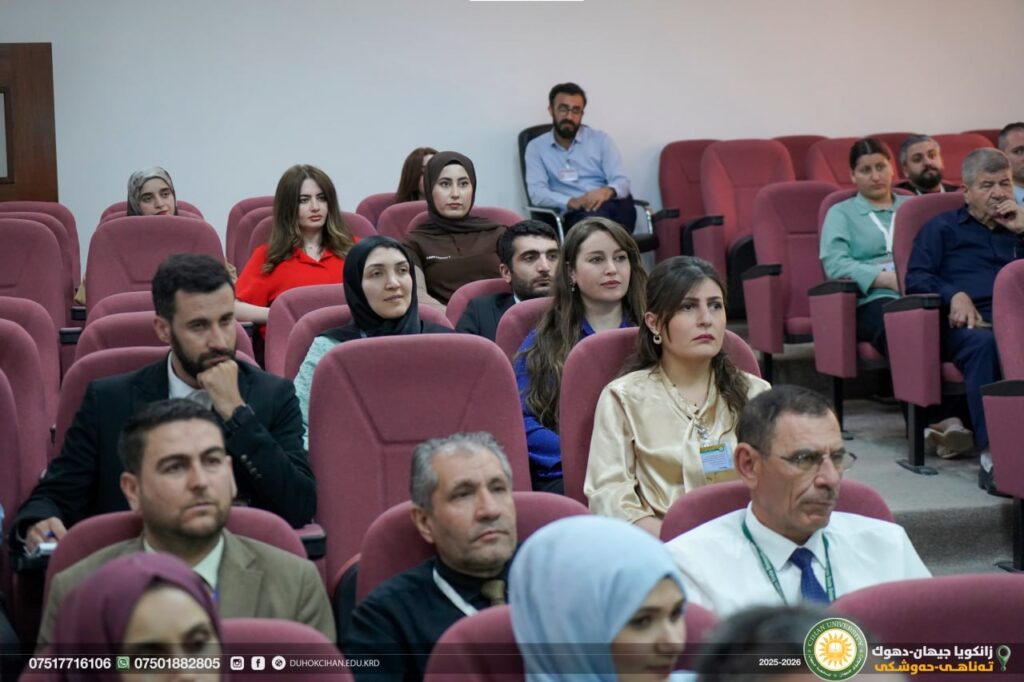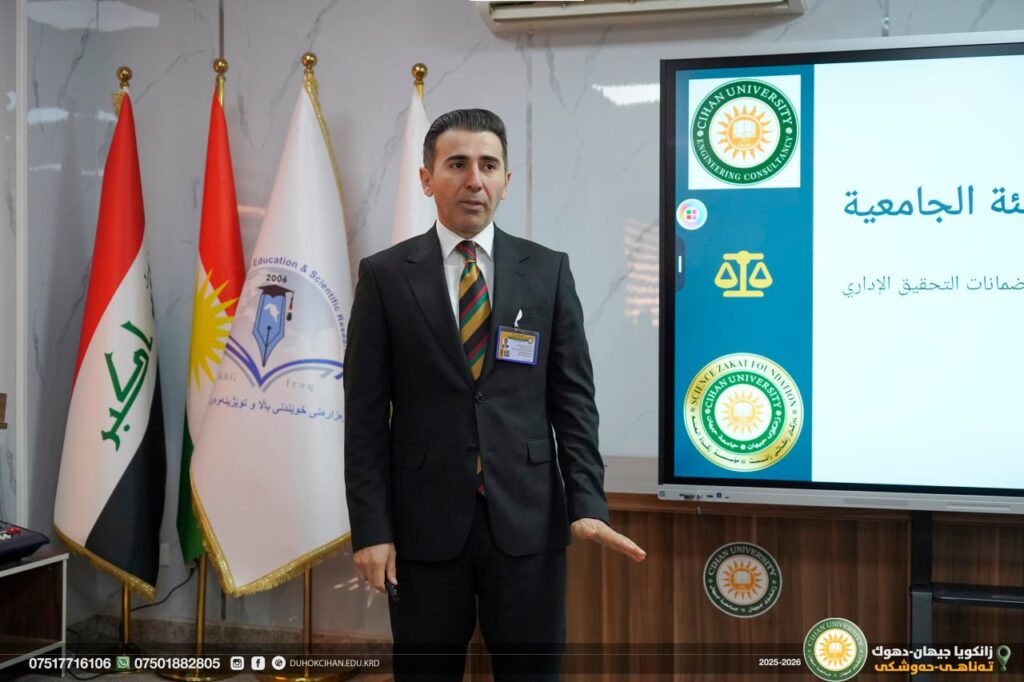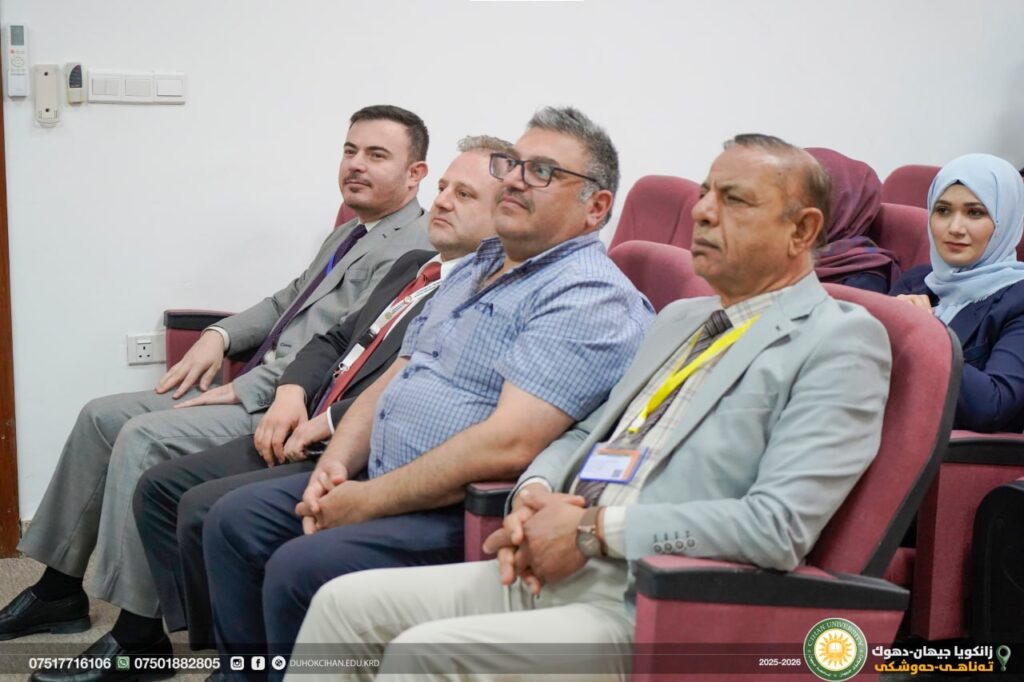

The workshop consisted of four sessions, each moderated by Dr. Dzhwar Ahmed. The first session, presented by Assistant Professor Dr. Ringber Jamil Sheikho, Director of the Center for Legal and Political Studies at the College of Law, University of Duhok, was titled “The Philosophical Foundations of the Electoral Process,” focusing on the theoretical framework of electoral rights and the principles of representative justice.
The second session, presented by Mr. Khalid Ahmed, Head of the Elections Department at the Kurdistan Democratic Party’s Duhok Governorate Office, discussed “Mechanisms for Selecting Candidates.”
The third session, presented by Dr. Rinas Jano, a former member of the Iraqi Parliament, addressed “Political Culture and its Impact on the Electoral Process.”
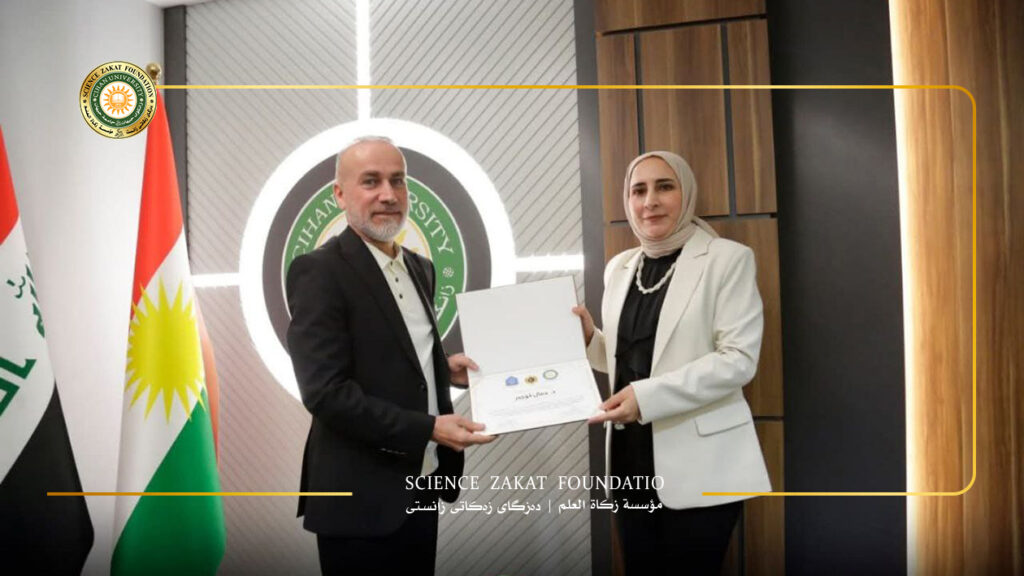
The fourth session, presented by Dr. Jamal Kojar, a member of the Iraqi Parliament, focused on “The Extension of the Electoral Process to the Role and Competence of Candidates.”
The final discussion session featured an open dialogue between participants and presenters, resulting in a scholarly and methodological exchange on the legal and political challenges facing the electoral process in Iraq.
Conclusions and Recommendations:
- Elections in Iraq constitute a mechanism with a dual impact: they strengthen the federal system through fair representation of constituent entities, but they can exacerbate political crises if legal guarantees of their transparency and integrity are lacking.
- Frequent amendments to the electoral law have weakened the institutional stability of the federal system, necessitating the adoption of a stable legislative framework that enhances confidence in the democratic process.
- The establishment of a specialized institute for developing parliamentary competencies is essential. This institute should aim to strengthen the legislative and oversight capacities of members of parliament according to professional and scientific standards.
- Objective criteria for selecting candidates must be adopted, based on competence and academic and professional qualifications, rather than tribal affiliations or sub-identities, to ensure a move beyond traditional political culture.
- A comprehensive evaluation of candidates’ profiles should be conducted prior to nomination. This evaluation should include academic achievements, practical experience, language skills, and general knowledge to ensure the quality of parliamentary representation.
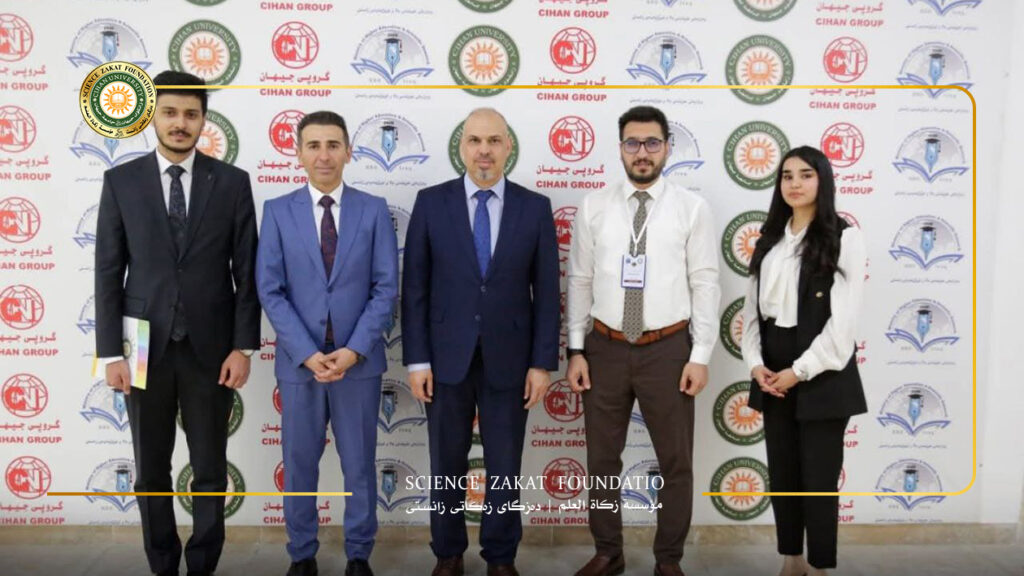

 Defining academic and behavioral discipline and its importance within the campus.