Students from the Department of Anesthesia Technologies Engage in Intensive Hands-On Activities at Erbil West Emergency Hospital

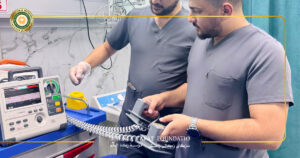
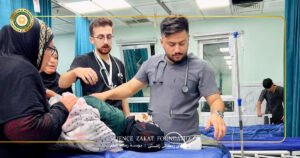
A group of students from the Department of Anesthesia Technologies at Cihan University–Erbil conducted a scientific visit to Erbil West Emergency Hospital (Rojawa), where they participated in intensive hands-on activities.

The visit, which took place on Thursday, October 30, 2026, under the supervision of Dr. Mohammed Amin Sarmad Qasim, involved the participation of third-year students: Yusuf Muhannad Anwar, Pirzha Kaifi, and Alaa Hussein. The visit began with a comprehensive field tour of several vital and sensitive units within the hospital. These included the Triage and Reception Hall, the Red Zone (Emergency and Trauma Hall) designated for critically ill patients, the Yellow Zone (Follow-up and Monitoring Hall) for moderate cases, and the Medical Intensive Care Unit (ICU), where patients with critical conditions are placed under close observation. During the tour, the students closely observed the patient admission process, rapid case assessments, and the decision-making mechanisms involved in initiating treatment. This experience significantly enhanced their understanding of how to manage complex and urgent medical cases in an emergency setting.

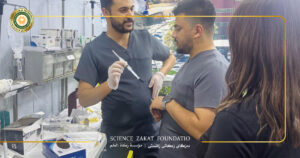
The students were later introduced to the latest medical devices and their operating mechanisms in detail. These included the DC shock device for regulating heart rhythms, the ultrasound device for imaging internal organs, the ventilator for assisting breathing, the blood pressure monitor for measuring blood pressure, and the pulse oximeter for measuring blood oxygen levels. Furthermore, they received detailed practical training on locating veins and correctly inserting intravenous cannulas, as well as preparing and administering medications to patients.

Another crucial aspect of the training involved learning how to scientifically and accurately take a patient’s medical history, which is essential for making accurate diagnoses and developing appropriate treatment plans. This practical training enabled the students to apply their theoretical knowledge of medical devices and procedures in a real-world hospital environment.
Volunteers

# Image Name Duration Credits
1 Cihan University – Erbil Cihan University – Erbil 3 85

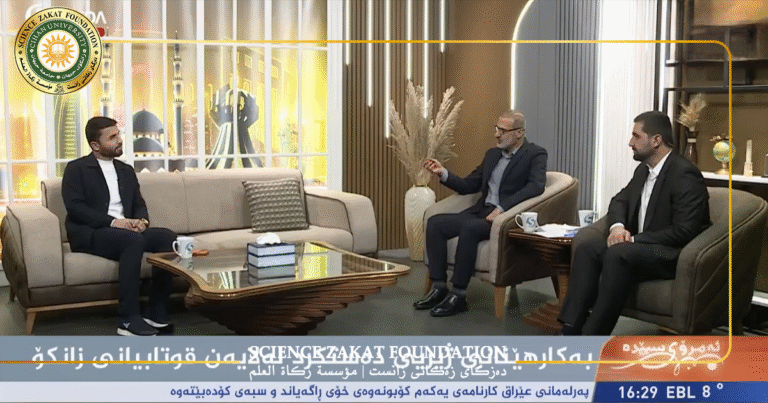
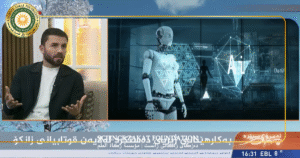
On Monday, December 28, 2025, Rizgar Salih, a third-stage student in the Media Department at Cihan University-Erbil, discussed the use of Artificial Intelligence (AI) by university students during a television program on Speda Satellite Channel.

The program, Amroy Speda, dedicated one of its segments to ‘The Use of Artificial Intelligence by University Students’. For this segment, the channel invited Rizgar Salih to share his insights. At the beginning of his talk, he stated: Artificial Intelligence is not entirely new, but it has now become widespread, especially among students, as it is a highly supportive tool that can provide significant benefits in education.

He added, Artificial Intelligence complements human work and advances society, but we must not forget that it cannot completely replace human jobs and professions.

Later, Rizgar Salih noted: University students should make the most of AI’s features, but they must not let it replace their own critical thinking. At university, we have various tasks and responsibilities; it is normal to use AI as an assistant to gather information or manage time. However, we must not rely entirely on it to complete all our tasks, as this could ultimately harm our academic and scientific development.

Regarding lecturers’ perspectives on students’ use of Artificial Intelligence he pointed out that many allow it, provided it is used correctly and within certain limits, so that students benefit rather than suffer harm. He also mentioned that many lecturers guide students on how to use AI effectively and responsibly.

In his concluding remarks, Rizgar emphasized that students must stay updated and aware of contemporary technological changes. Since the current era is known as the age of Artificial Intelligence, he stressed that it is essential not to remain ignorant of these advancements.

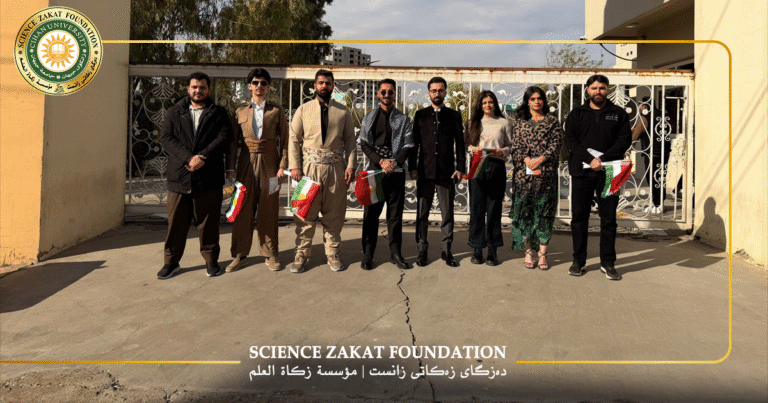
On Wednesday, December 17, 2025, on the occasion of Flag Day, the Department of Media at Cihan University–Erbil organized a field activity at Milli Market in the Newroz neighbourhood, under the supervision of Assistant Lecturer Ahmed Jamal Hama Karim.

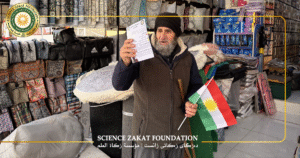
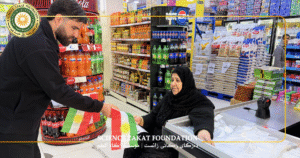
The activity was participated by students from both the first and second stages of the Department of Media. During the activity, the students distributed Kurdistan flags and informational brochures to citizens at Milli Market in the Newroz neighbourhood of Erbil city. The brochure content included information about the Kurdistan flag and its components, as well as the history of raising the Kurdistan flag for the first time by Peshawa Qazi Muhammad. In addition, the brochure referred to the 2009 decision of the Kurdistan Parliament, which designated December 17 of each year as Flag Day.

The purpose of the activity was to commemorate Flag Day, raise public awareness about the history and symbolism of the Kurdistan flag, and foster loyalty and national identity among citizens. These aims reflect one of the main objectives of the Department of Media in organizing this meaningful activity.

On Sunday, December 7, 2025, the Media Department at Cihan University–Erbil launched an intensive two-day training workshop on the university campus for students from various academic levels. The sessions focused on helping students envision their professional future and discussing modern methods and mechanisms that enable them to enter the rapidly developing and highly competitive media job market with confidence and competence.

The Media Department also welcomed Mr. Manaf Mubarak, Director of Projects at the German DW Network, in an academic visit aimed at enhancing students’ professional capabilities and connecting theoretical knowledge with international field experience.

During the sessions, Mr. Mubarak devoted a substantial portion of the sessions to technical and practical training. He provided students with a detailed explanation of the DPA application, demonstrating how to use it effectively as a tool for journalistic work and news coverage. This reflects the university’s commitment to equipping its students with the latest digital tools used in major international media institutions, ensuring the development of a media generation that is both knowledgeable and technically proficient.

At the end of the sessions, the Media Department expressed its gratitude to Mr. Mubarak for his time and dedication to the students. The department remains committed to opening doors to international media centers and providing more opportunities for students to enrich their journalistic experience.