Teacher Training and Professional Development

Home

Teacher Training and Professional Development

“The active student = a bright future”

In today’s world, a successful student is not just someone who sits in class and listens. Rather, it is the student who actively participates, asks questions, investigates, and collaborates with their peers.

Activity is the magic key to learning. When a student engages in an activity, they not only receive information, but they also understand it deeply, retain memories, and utilize it.

Summary of the item

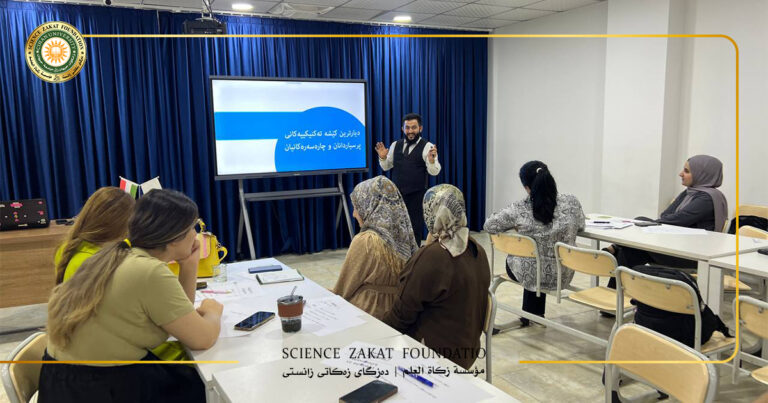
It is very important for the teacher to be precise in asking questions and to avoid making scientific errors. It is also important for the teacher to be very clear in how the paper and the questions are organized for the students. Therefore, when the teacher asks a question and types it on the computer, if it is not resolved, it may cause confusion for the students, including:

1. Solve the problem of skipping from one question to another.

2. A solution for creating additional boxes on the question paper when converting a (Word) file to (PDF).

3. How to organize the pages and place the options nicely next to each other in a row…. etc.

A seminar on the process of education and teaching, the difference between education and teaching, various teaching methods according to the lessons, discussing John Dewey’s ideas and beliefs about the educational process, the impact of the teacher’s role on the education process and students, and increasing their self-esteem and motivating them to change their behaviors for the better and supporting them psychologically and emotionally, and stories of famous figures where good teachers played an effective role in their success and changed the direction of their lives, and discussing the process of attention and perception and the difference between them, and the importance of each, memory and recall, how a student learns and how information stays in memory.

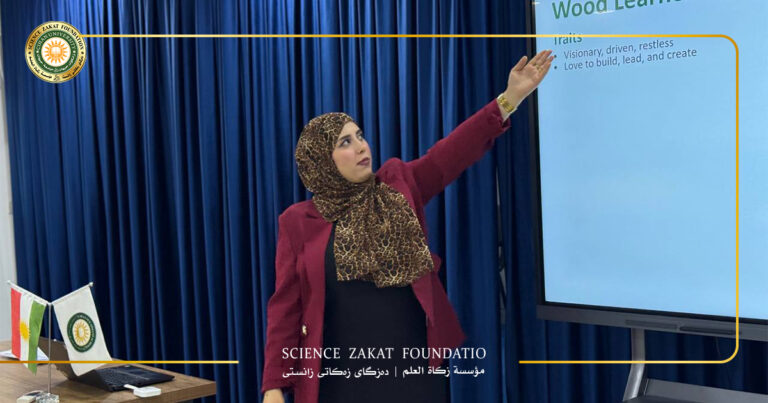
The Wu Xing (Five Elements) theory—Wood, Fire, Earth, Metal, and Water—offers a balanced way to understand diverse learning styles.
Each element represents different strengths: creativity (Wood), passion (Fire), stability (Earth), structure (Metal), and reflection (Water).
By blending these elements, teachers can design lessons that engage imagination, logic, emotions, and critical thinking.
Wood learners thrive in brainstorming, while Fire learners enjoy lively discussions.
Earth learners prefer hands-on stability, Metal learners need organization, and Water learners learn best through deep reflection.
Balancing these approaches ensures every student feels included and supported in their unique learning journey.

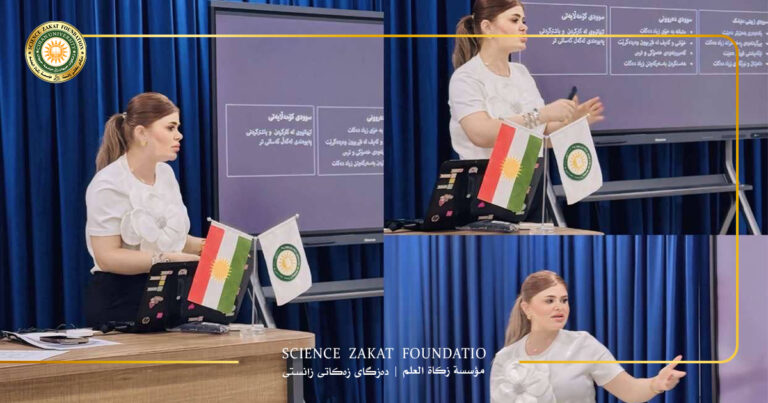
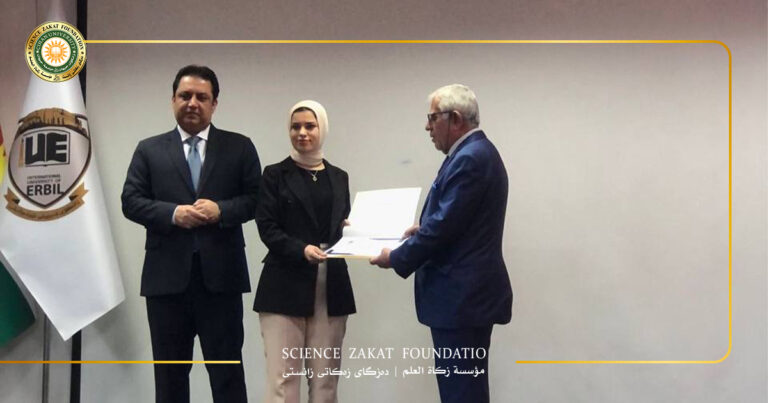
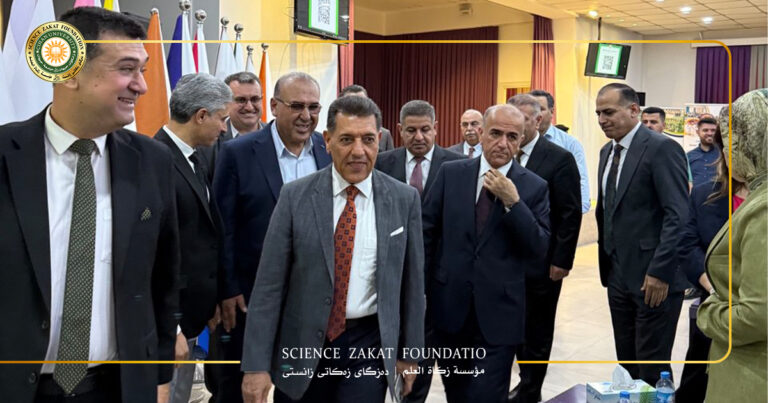
Miss Rezan served as a trainer for the Digital Education Course for teachers from the Ministry of Education. The course was conducted at Erbil International University and lasted for six weeks. During the closing ceremony, I was awarded a certificate by the Minister of Education and the Chairman of the Board of the Institute and University, Dr. Nawzad Bajger.

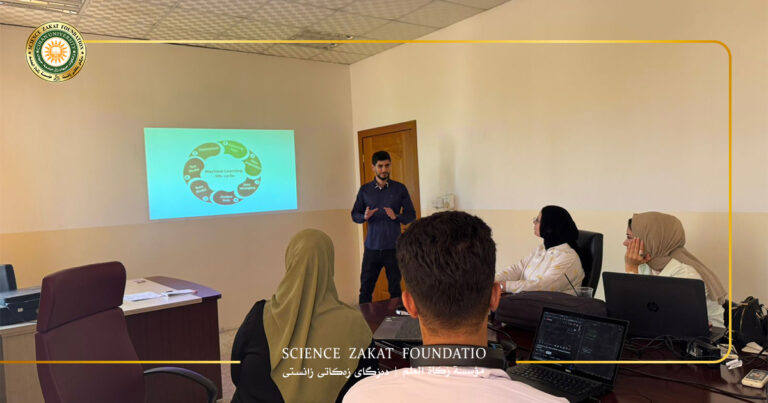
Participants received an easy-to-follow overview of how machine learning worked from start to finish. They learned how to clean and prepare data, used basic statistics to understand it, explored common algorithms for making predictions, and saw how models actually “decided” on an answer.

By the end, they understood the key steps of a machine learning project well enough to teach them in their own classrooms.

It’s worth mentioning:

With the support of Dr. Nawzad Yahya Bayjar, Chairman of the Board of Trustees of Cihan Universities, Institutes, and Schools, an annual event is held yearly in universities around Cihan (Erbil – Duhok – Sulaymaniyah) where the course lasts for six weeks, with three days a week, and includes final assessments and exams.

It is important to know:

🔹 Today, educational centers are waiting for teachers and educators with high qualifications for the educational process and learning.

🔹 The problems in this process require new ideas for solutions.

🔹 The core values in schools are the student and the teacher, and the interactive cooperation between them. The student is not a tool, but rather the objective of education. Therefore, they cannot adapt to the school; rather, the school should adapt to the.

🔹 Hence, the teacher is the main force in the mind of society, the dynamo of change, the leader of knowledge; 🔹 Pedagogy is the science of education, where humans are born as biological beings, and in order to become human beings, they must be educated, and this is the function of education and pedagogy.

It is worth mentioning that the content of this book includes five models, each of which has its value and importance in its development: the teacher, the educator, the instructor, the trainer, and the student.

✅ In the first model, it discusses the important concepts and methods of modern education.

✅ Pedagogy is the science of education, where humans are born as biological beings, and in order to become human beings, they must be educated, which is the function of education and pedagogy. It is worth mentioning that the content of this book includes five models, each with its own value and importance in its development: the teacher, the educator, the instructor, the trainer, and the student. In the second model, classroom management by the teacher discusses the characteristics of a successful teacher.

✅ In the third model: educational psychology and developmental psychology are discussed along with some examples of leading education systems in developed countries.

✅ In the fourth model, measurement and evaluation are discussed as an important necessity in the field of education.

✅ As for the final model: computers and modern artificial intelligence technology in the field of education are given attention.


The experience of Mr. M. Hemin Osman, Director of the cihan Educational Society in Sulaymaniyah, who visited this country and toured numerous educational centers, was shared. This culminated in a valuable seminar for community teachers, featuring special discussions and debates on the subject.


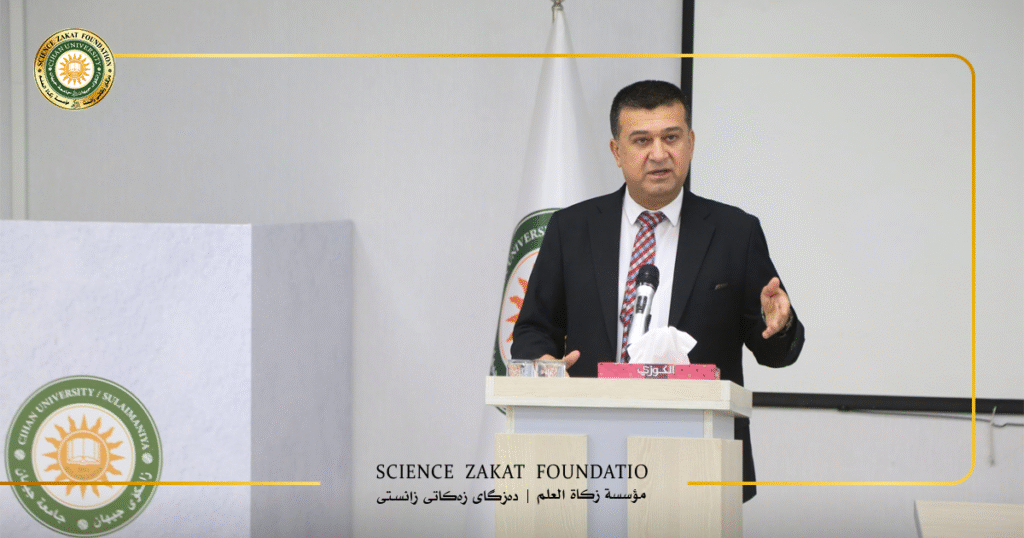
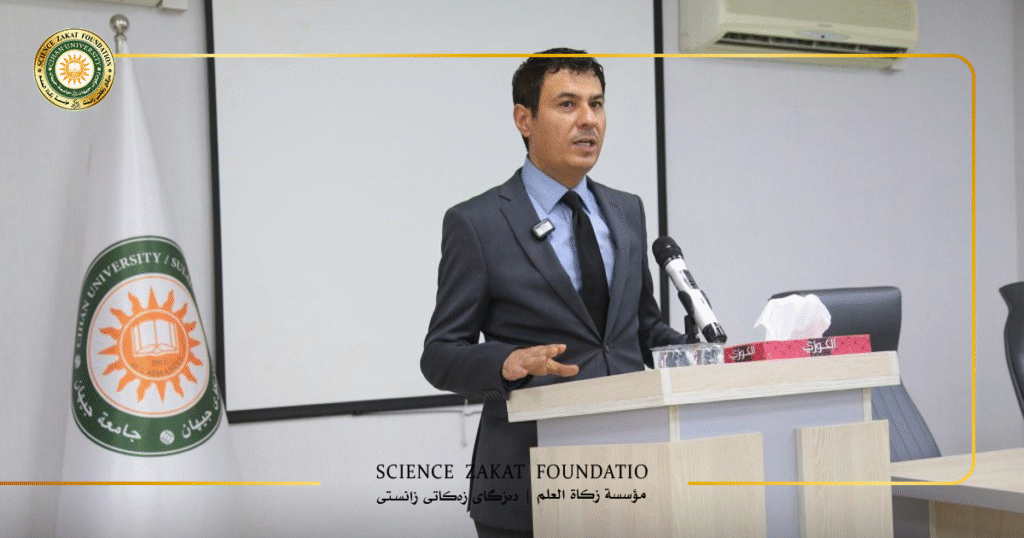
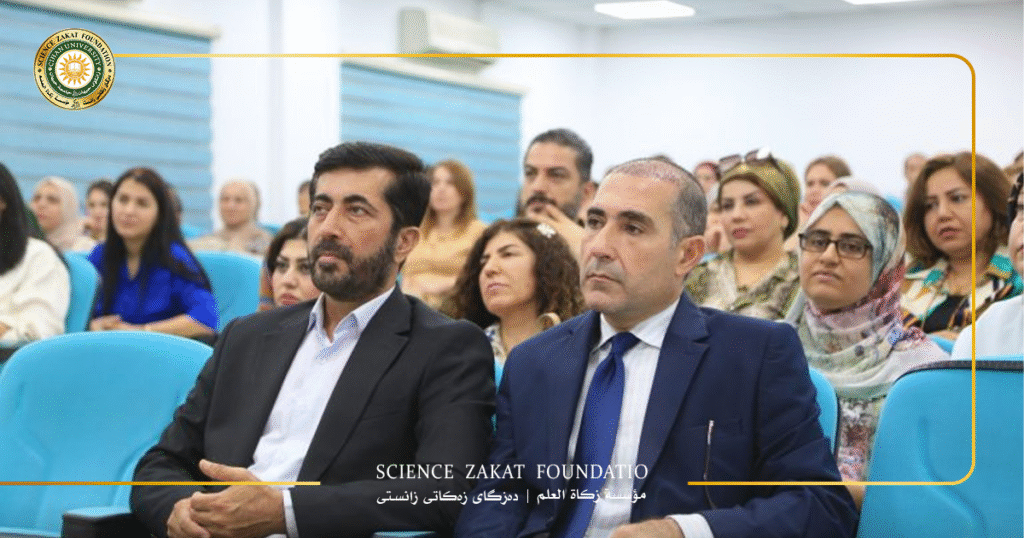
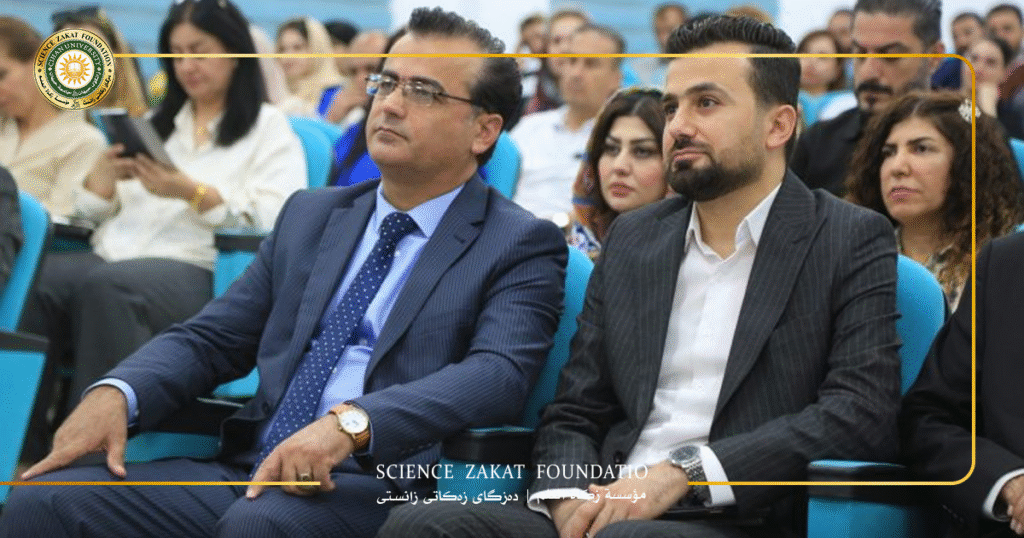
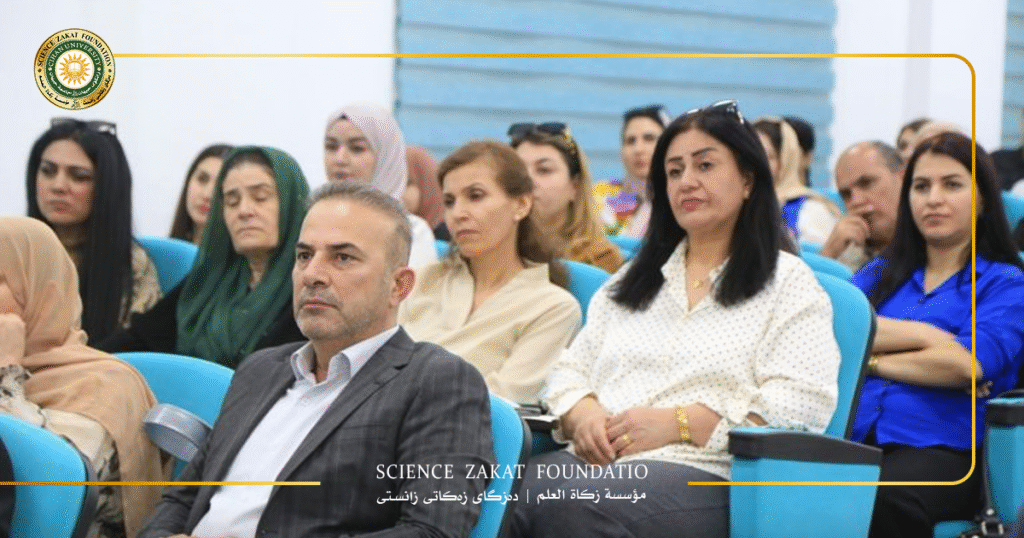
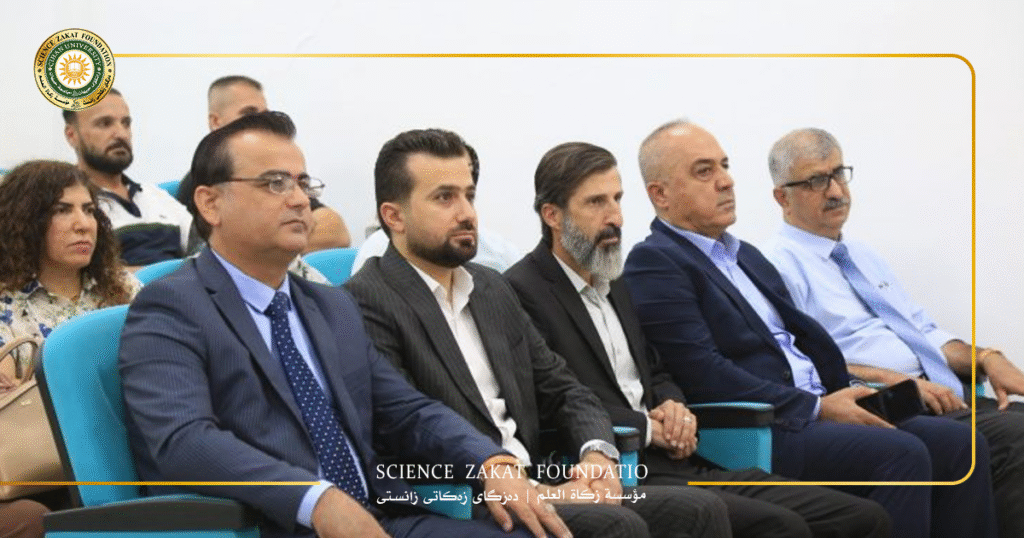
Today, 20th July 2025, the fourth pedagogy course commenced at Cihan University – Sulaymaniyah, with 75 teachers from the Ministry of Education taking part. The course is being delivered in coordination with the Board of Trustees of Cihan Universities and the Ministry of Education in the Kurdistan Regional Government.
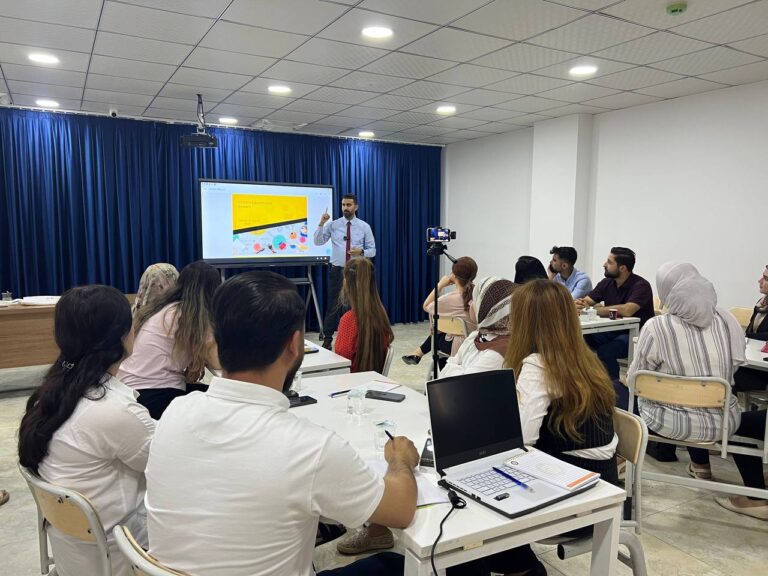
Organized by the Science Zakat Institution at Cihan University – Sulaymaniyah, the six-week program me features sessions led by specialists in education. The course aims to familiarize participants with the latest teaching methodologies and equip them to apply these skills in schools across the region.
As an educational institution, Cihan University – Sulaymaniyah is committed to fostering collaboration between academia and key sectors, particularly education. This initiative reflects the university’s ongoing efforts to strengthen such partnerships
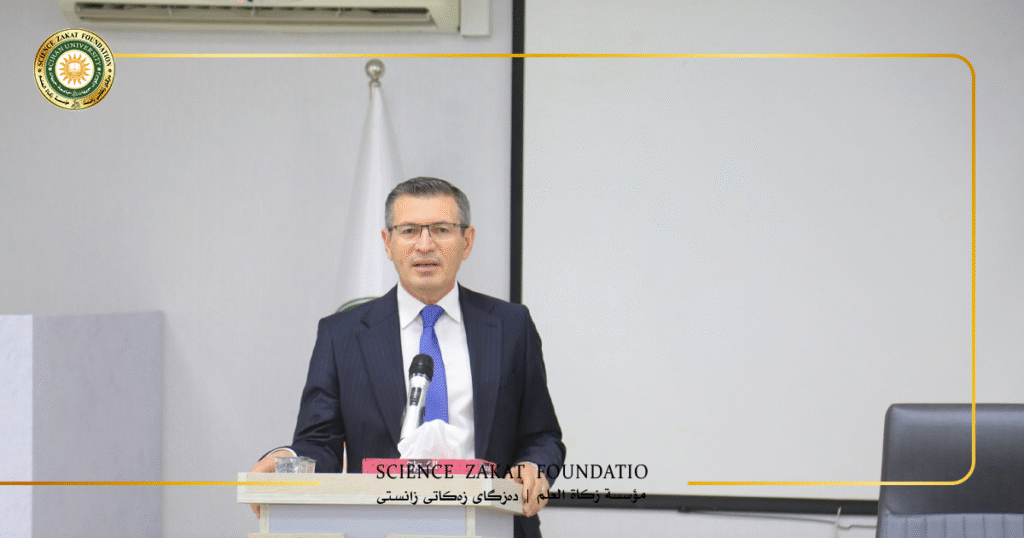
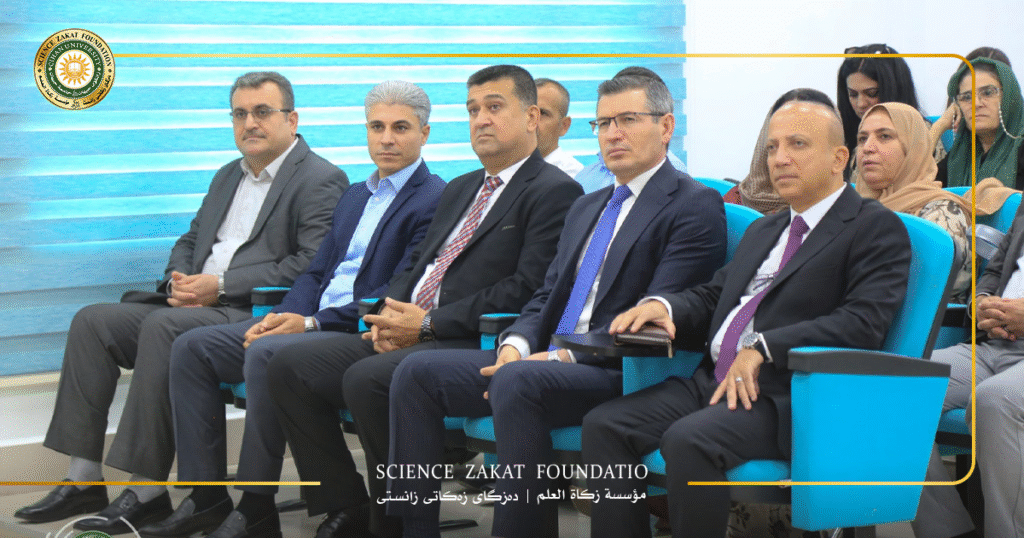
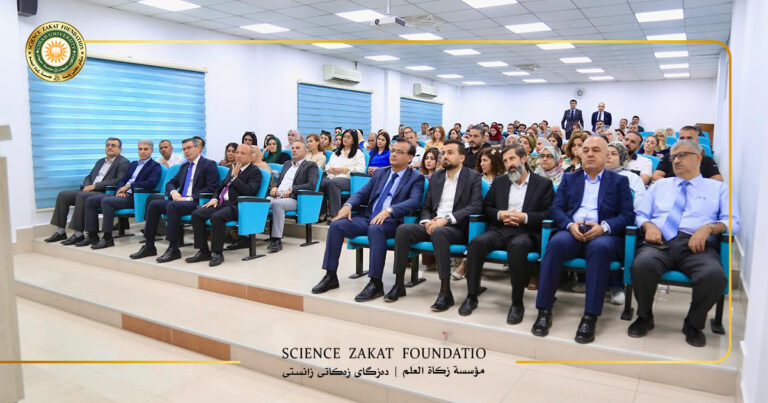
As part of its ongoing activities, Zakat Al-Ilm Foundation launched a professional development training course on June 15, 2025, for the staff of Cihan University – Duhok. The initiative was organized based on the recommendations of Prof. Dr. Zeravan Abdulmuhsen Asaad, President of Cihan University – Duhok and General Supervisor of Zakat Al-Ilm Foundation in Duhok.

The first day of the course featured several insightful sessions, including:

🔸️– “Practice English with Dr. Bala” by Dr. Bala Chandran, Assistant Professor in the Department of General Education

🔸️– “Interpersonal Communication Skills” by Prof. Dr. Saber Abdullah, Director of the Psychological and Educational Counseling Center

🔸️– “From Daily Symptoms to Early Detection: The Role of Routine Checkups in Maintaining Health” by Dr. Kajeen Hassan, Dean and consultant to the Medical Colleges and Departments

The training will continue for three days and will cover a range of topics aimed at enhancing awareness, education, and professional development among the participants
No more news to show