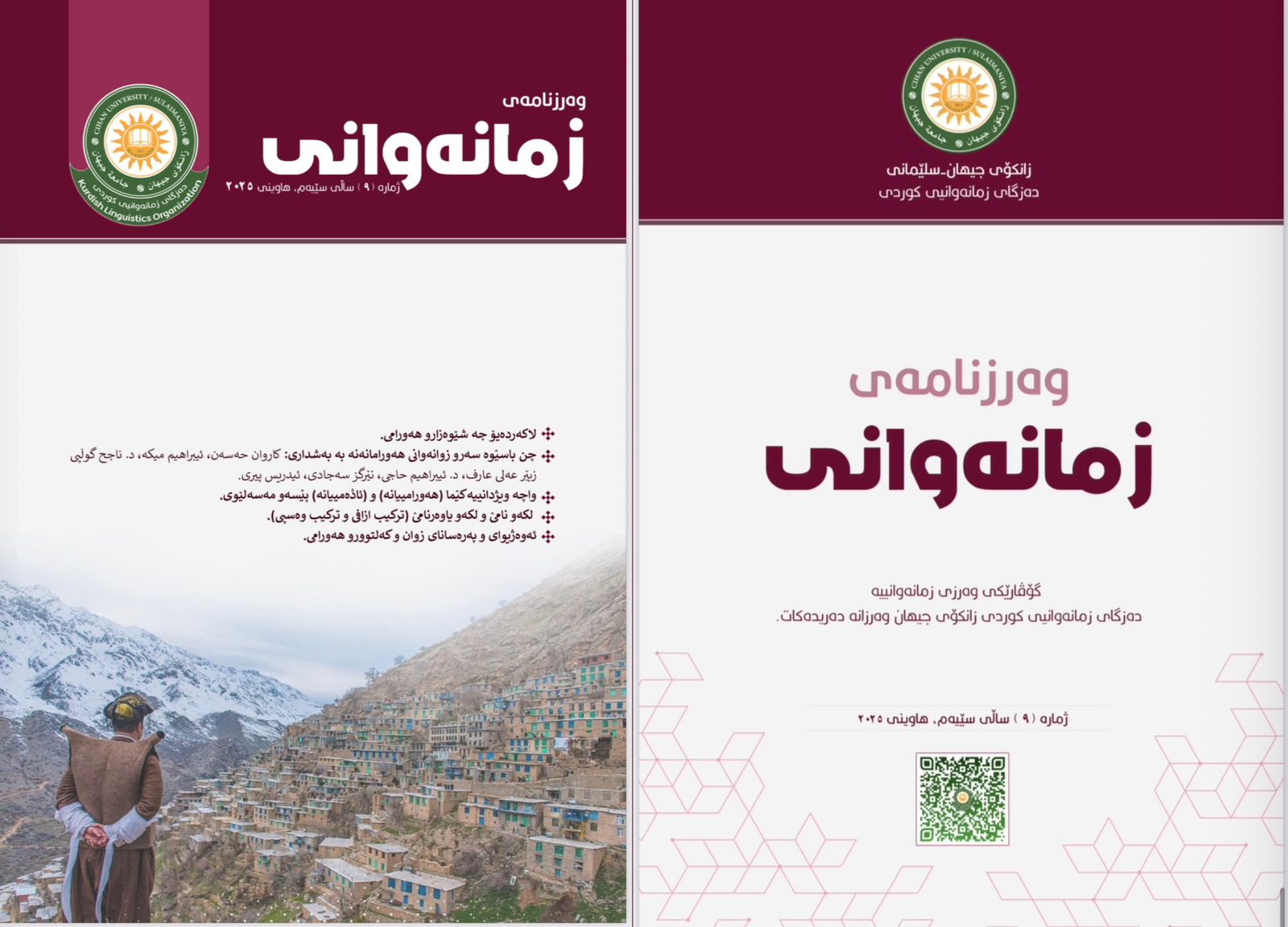
The Ninth Issue of the Linguistics Journal of Cihan University–Sulaimaniyah Has Been Published

The Department of Linguistics at Cihan University-Sulaimaniya has released the ninth issue of the Journal of Linguistics. This issue is dedicated to the grammar, orthography, history, and literature of the Hawrami dialect, and was printed and published in accordance with the orthographic and grammatical rules specific to this dialect.

The editorial of this issue, authored by Prof. Dr. Omid Rafiq Fatah, President of Cihan University-Sulaimaniya, stated: “Paying attention to the dialects of the Kurdish language is not merely a linguistic gesture to ensure a dialect’s survival; rather, it is an endeavor to revive the culture and historical memory of a region in Kurdistan that shares many common traits. From a certain perspective, it might be perceived that writing in and focusing on a specific dialect could be interpreted as reviving that dialect at the expense of the standard language, potentially harming it.”

Elsewhere in the editorial, the University President wrote: “An objective scientific approach confirms that focusing on dialects—beyond enriching the official language culturally in terms of vocabulary and structures—simultaneously reinforces a sense of support and national belonging. From this scientific standpoint, writing, speaking, and prioritizing dialects can be adopted as the foundation for a cultural policy within the framework of the state’s general and official policies. Attention to cultural policy in any nation can deepen the national spirit while highlighting distinct characteristics and diversities. Furthermore, this encourages writers capable of writing in these dialects and motivates them to strive for the dialect’s continuity. If a dialect is not documented in writing and its culture is not recorded, it will fade from the memory of its speakers and eventually disappear.”

The editorial also noted that the Hawrami dialect, due to the cohesion of its speaker community and the limited geographic scope of the region, has enjoyed greater protection compared to other dialects and has remained within its geographic boundaries. However, these factors alone are insufficient to ensure its survival and protection regarding its anthropological dimension and symbolic significance. Therefore, the Journal of Linguistics at Cihan University-Sulaimaniya, through a group of writers, has sought to present research, studies, and writings on the importance and cultural value of the Hawrami dialect. Through this effort, we hope to have filled a gap in Hawrami literature, culture, and dialect studies.
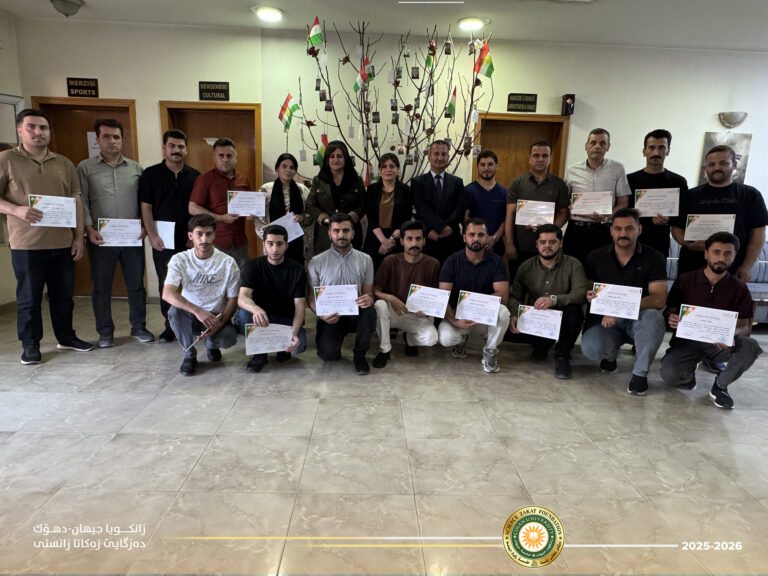
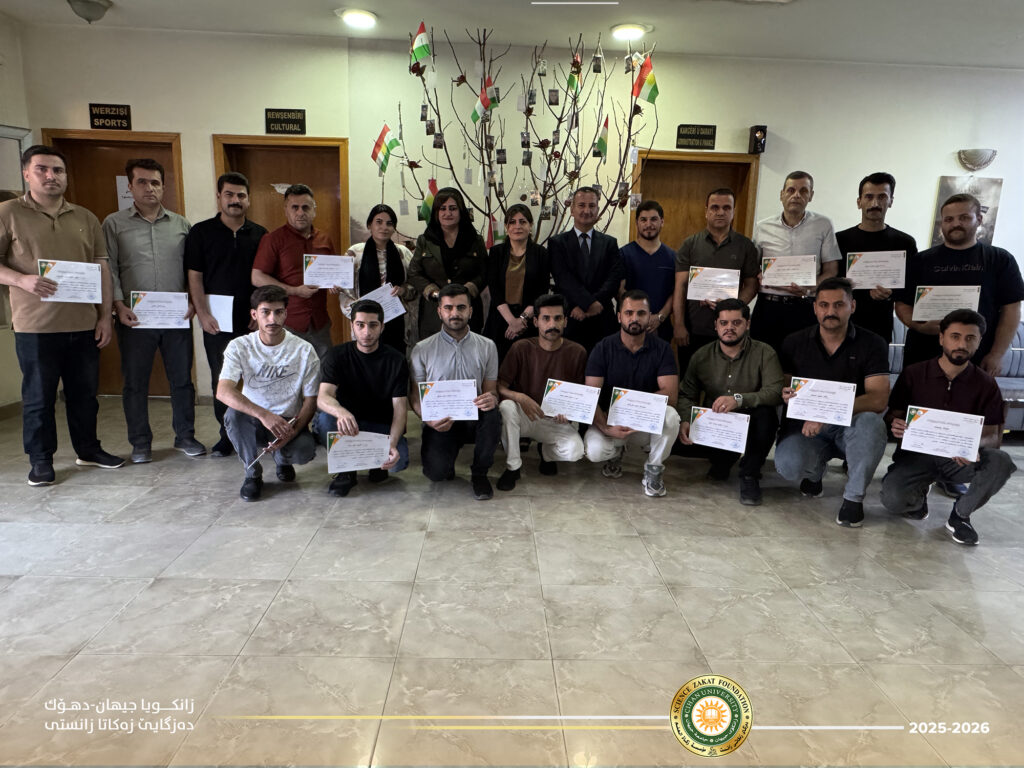
Volunteers

No volunteers added to this activity.

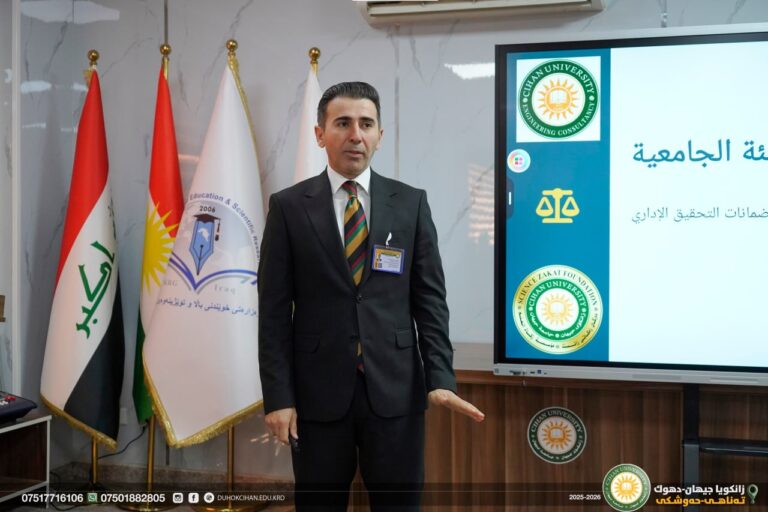
Within the framework of volunteer work for the Zakat Al-Ilm foundation at Cihan University Sulaimaniyah , On April 29, 2026, the Career Development Center (CDC) at Cihan University – Sulaimaniya, in collaboration with Sulaimani Polytechnic University, organized a joint workshop on Artificial Intelligence.

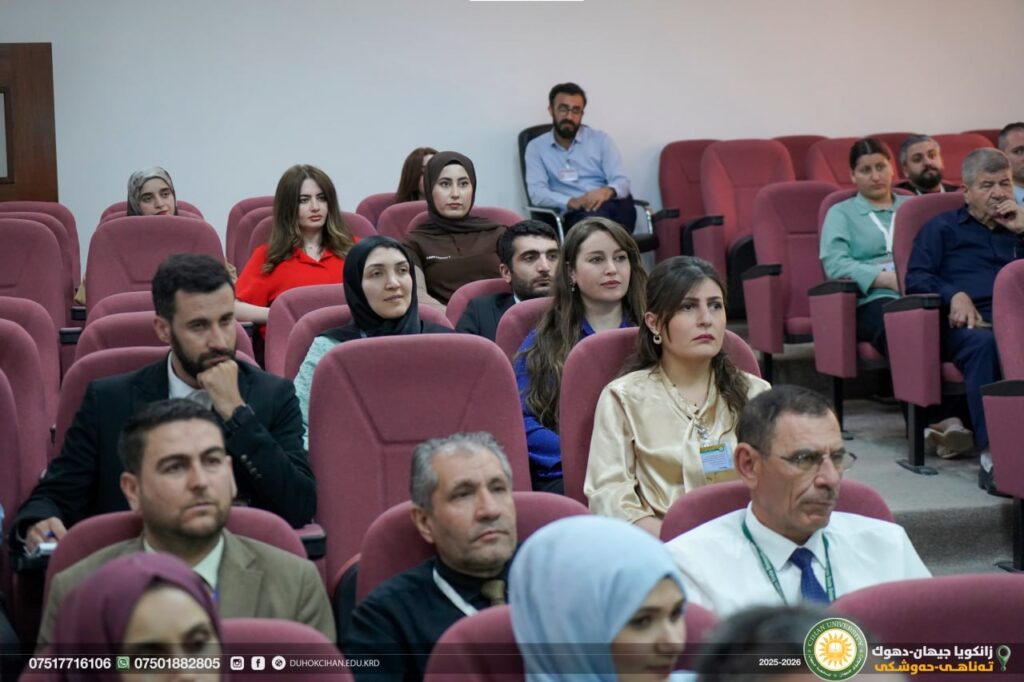
In a joint scientific activity attended by a significant number of lecturers and students, Cihan University – Sulaimaniya, in cooperation with Sulaimani Polytechnic University, conducted a workshop entitled “Artificial Intelligence in Higher Education: A Revolutionary Opportunity or a Scientific Risk?” in the seminar hall. At the beginning of the workshop, Mr. Basoz Tawfiq Ahmad, as the panel moderator, highlighted the importance of the topic and the objective of bringing together experts from different fields to discuss the impact of this emerging technology on the future of higher education.

In the first panel session, Mr. Sherko Hamalaw Murad, a specialist in Informatics and Artificial Intelligence, emphasized the relationship between Artificial Intelligence and its application within the classroom. He explained how this technology can support scientific research and enhance academic standards. Subsequently, Asst. Prof. Dr. Faryad Khalid Mohammed, a specialist in Software Engineering, discussed the technical aspects of AI and the fundamental transformations it brings to learning systems. Finally, Mr. Ahmad Ramadan Rashid, a specialist in Machine Learning, provided an overview of the field and stressed the importance of awareness and its impact on technological development. The workshop concluded with an open discussion and exchange of ideas between the panelists and the audience

Within the framework of volunteer work for the Zakat Al-Ilm foundation at Cihan University Sulaimaniyah ,CDC and Computer Science Department Organize Engaging Cybersecurity Awareness Workshop
On 22 February 2026, a collaborative workshop on “Cybersecurity Awareness” was successfully organized by the Career Development Center (CDC) in cooperation with the Computer Science Department. The event aimed to enhance students’ understanding of digital security challenges and promote safe online practices.
The workshop was presented by Asst. Lect. Sherko Hamalaw from Cihan University Sulaimaniya and Asst. Lect. Snur Jamal from Sulaimani Polytechnic University. The speakers highlighted common cyber threats such as phishing, malware, and social engineering, while also discussing practical strategies for data protection and strong password management.
A key feature of the session was its interactive presentation format, which included live discussions, real-world examples, and scenario-based activities. Participants actively engaged with the presenters, making the workshop both informative and impactful.
The event concluded with appreciation for the speakers and a continued commitment by the Career Development Center (CDC) to organize further initiatives that strengthen cybersecurity awareness among students.

Within the framework of volunteer work for the Zakat Al-Ilm foundation at Cihan University Sulaimaniyah , The Career Development Center (CDC) at Cihan University-Sulaimaniya, in collaboration with Step Iraq, conducted a two-day training workshop for second-year students in the Department of Computer Science. The workshop was designed to educate students on creating effective professional and academic Curriculum Vitae (CVs) and to equip them with interview preparation strategies, thereby improving their prospects of securing future employment.