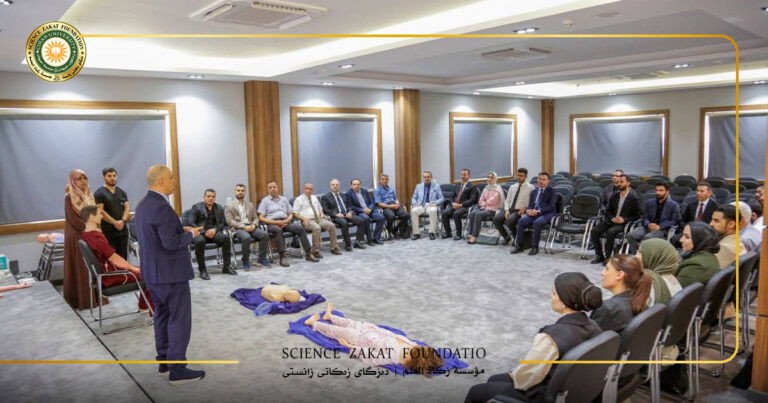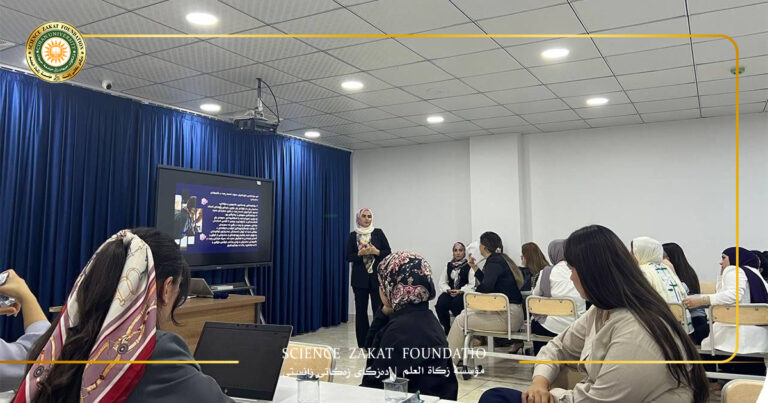
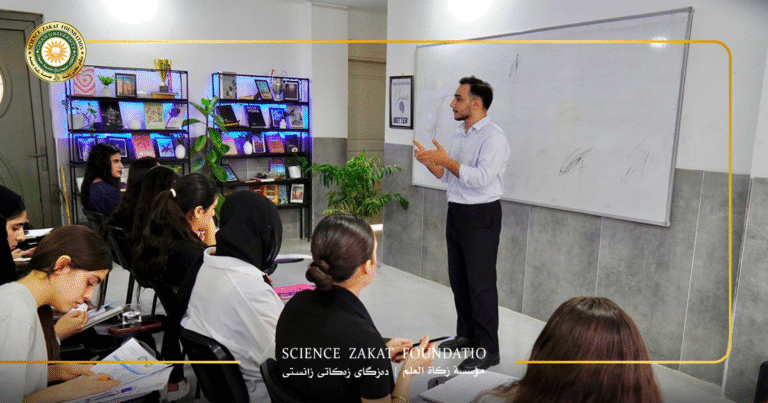
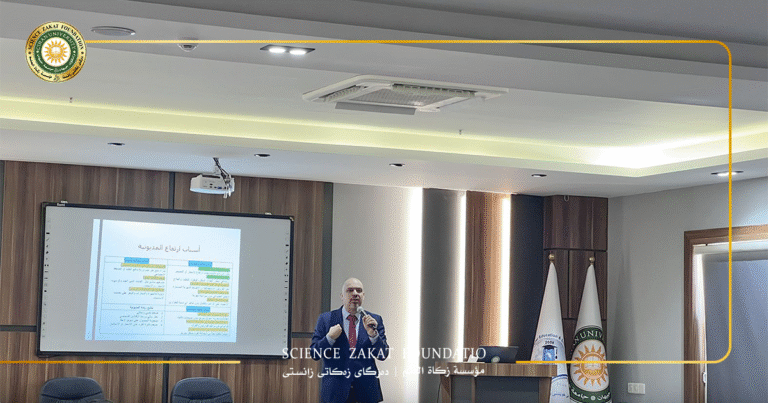
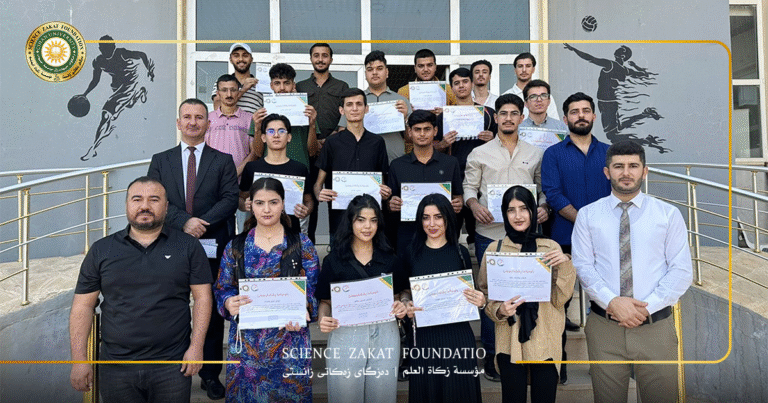
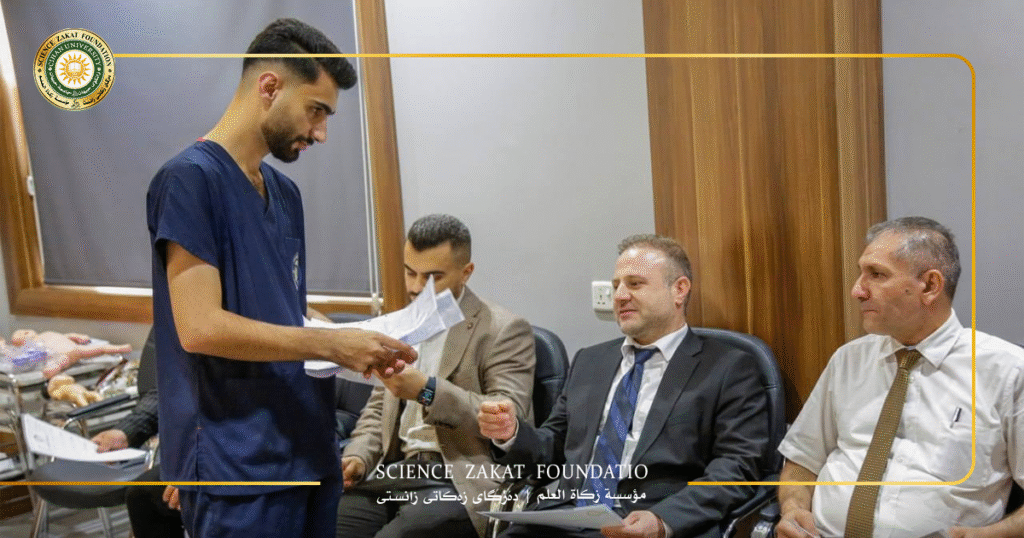
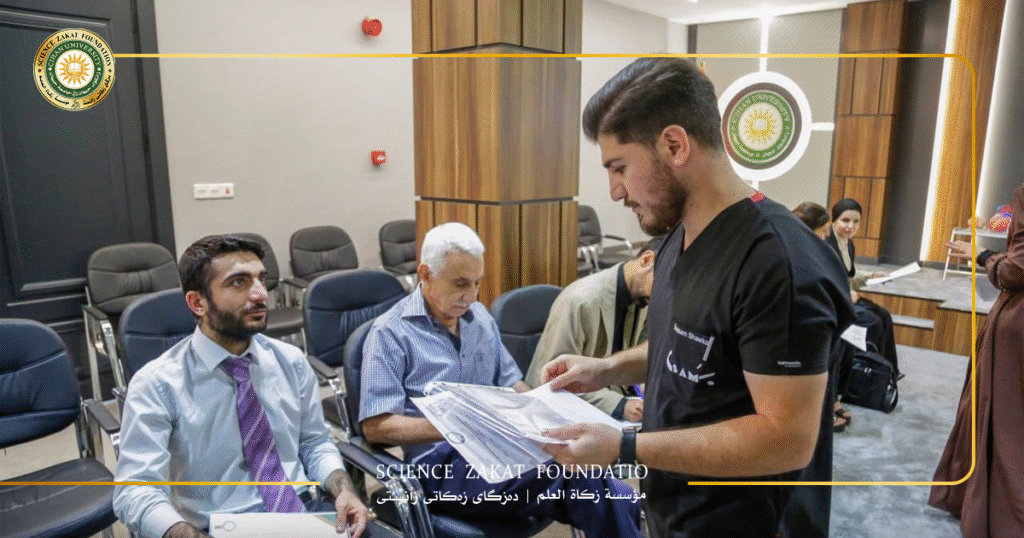
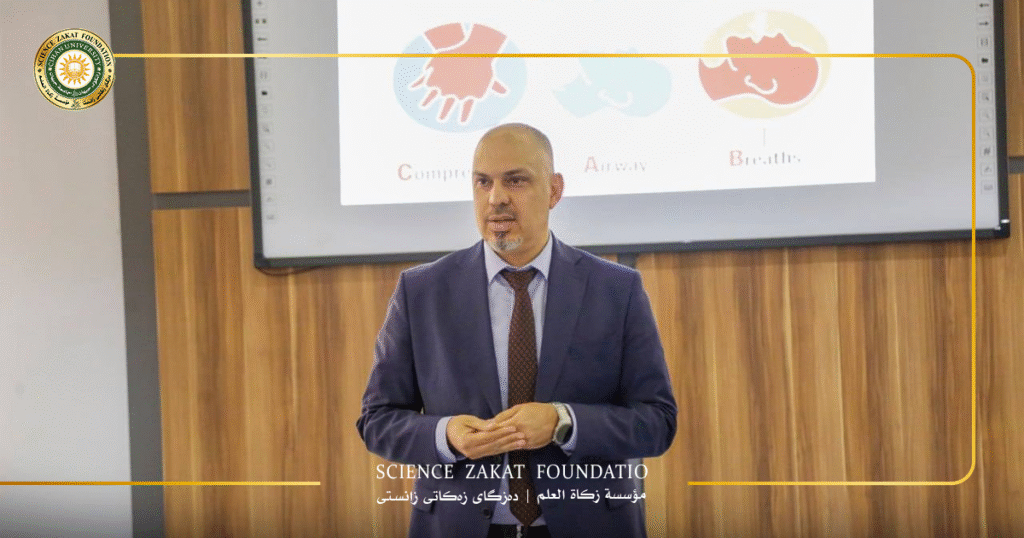
The course was delivered by Dr. Layla Mohammed Salih and aimed to enhance the emergency preparedness of academic teaching staff. Participants received comprehensive instruction covering both theoretical foundations and hands-on practical training in managing medical emergencies effectively.


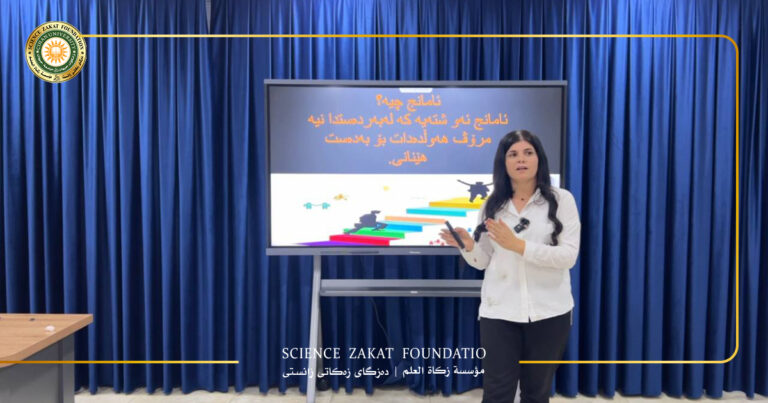
The goals of our daily lives are extremely important; certainly, if we do not have a goal, we do not know why we strive or why we face destruction. Therefore, we must always have goals to be able to succeed.
Also, another thing in the context of my seminar is specifically about the difference between (desire – goal).
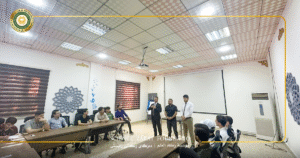
It is noteworthy that the seminar lasted (one hour).
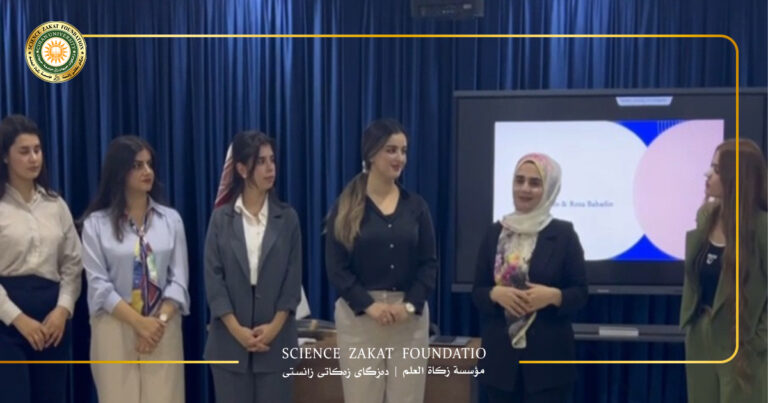
More than (30) different course teachers participated, where they were ready to engage in a rich dialogue and discussion that enriched their seminar.
In the seminar, we focused on the topic of attention and discussed that it is one of the essential and most important elements in the learning process, playing a prominent role in students’ success.
This ability has a direct impact on the level of understanding, thinking, and retention of information. It was also noted that without proper attention, students would not be able to absorb information effectively and retain it in their minds.
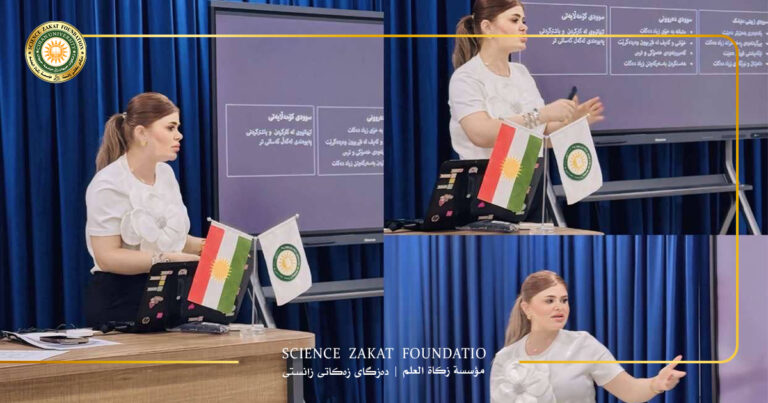
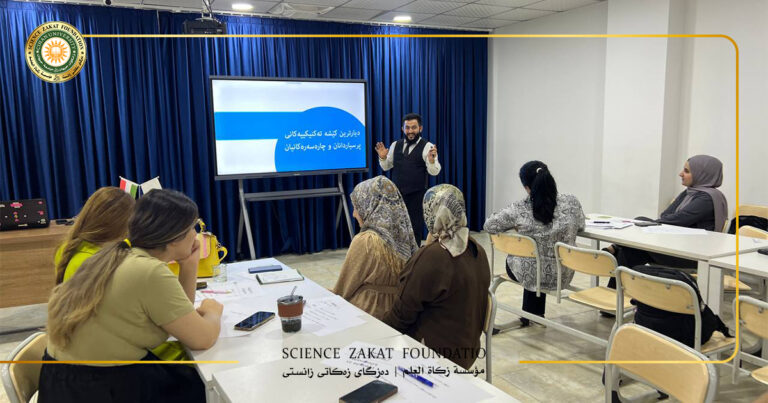
Another subject is the description of types of attention, such as selective attention, sustained attention, and divided attention, and explaining their effects on different types of learning. There was also a specific topic related to the challenges teachers face, such as the short attention span of students, individual differences, and the need to adapt teaching methods to the needs of each student.
Additionally, various strategies were discussed, such as using multifaceted teaching methods, creating a suitable learning environment, and leveraging modern technologies to enhance attention and thus increase students’ awareness and learning in the classroom.
“The active student = a bright future”
In today’s world, a successful student is not just someone who sits in class and listens. Rather, it is the student who actively participates, asks questions, investigates, and collaborates with their peers.
Activity is the magic key to learning. When a student engages in an activity, they not only receive information, but they also understand it deeply, retain memories, and utilize it.
Summary of the item
It is very important for the teacher to be precise in asking questions and to avoid making scientific errors. It is also important for the teacher to be very clear in how the paper and the questions are organized for the students. Therefore, when the teacher asks a question and types it on the computer, if it is not resolved, it may cause confusion for the students, including:
1. Solve the problem of skipping from one question to another.
2. A solution for creating additional boxes on the question paper when converting a (Word) file to (PDF).
3. How to organize the pages and place the options nicely next to each other in a row…. etc.
A seminar on the process of education and teaching, the difference between education and teaching, various teaching methods according to the lessons, discussing John Dewey’s ideas and beliefs about the educational process, the impact of the teacher’s role on the education process and students, and increasing their self-esteem and motivating them to change their behaviors for the better and supporting them psychologically and emotionally, and stories of famous figures where good teachers played an effective role in their success and changed the direction of their lives, and discussing the process of attention and perception and the difference between them, and the importance of each, memory and recall, how a student learns and how information stays in memory.
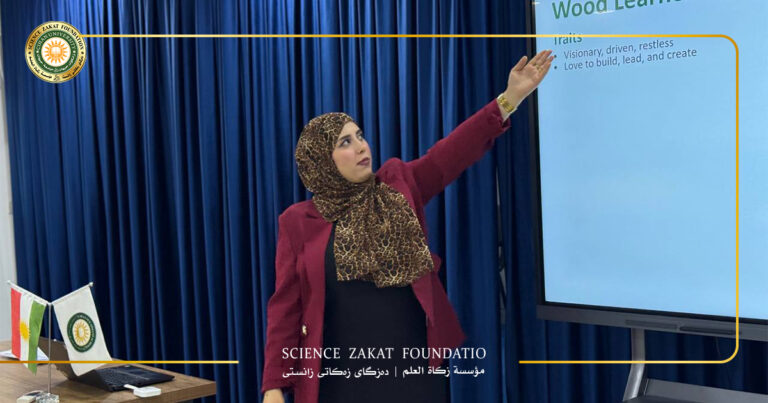
The Wu Xing (Five Elements) theory—Wood, Fire, Earth, Metal, and Water—offers a balanced way to understand diverse learning styles.
Each element represents different strengths: creativity (Wood), passion (Fire), stability (Earth), structure (Metal), and reflection (Water).
By blending these elements, teachers can design lessons that engage imagination, logic, emotions, and critical thinking.
Wood learners thrive in brainstorming, while Fire learners enjoy lively discussions.
Earth learners prefer hands-on stability, Metal learners need organization, and Water learners learn best through deep reflection.
Balancing these approaches ensures every student feels included and supported in their unique learning journey.
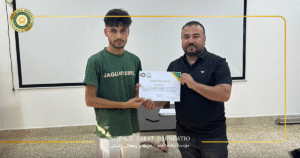
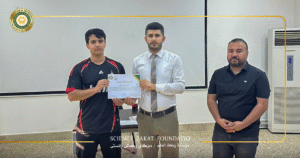
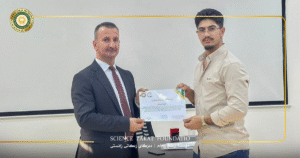
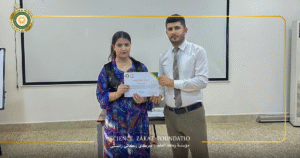
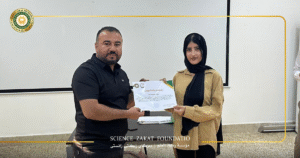
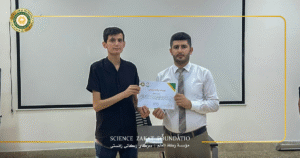
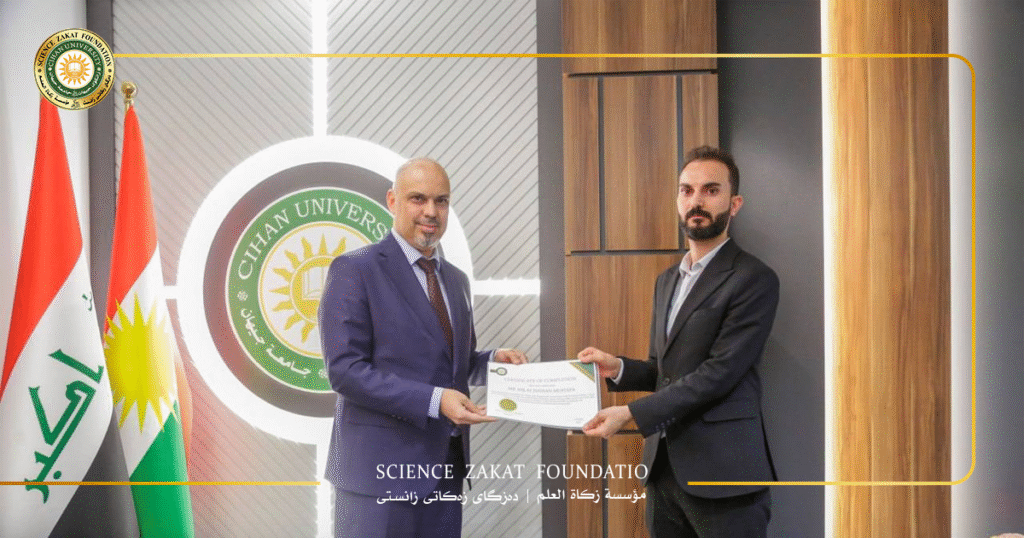
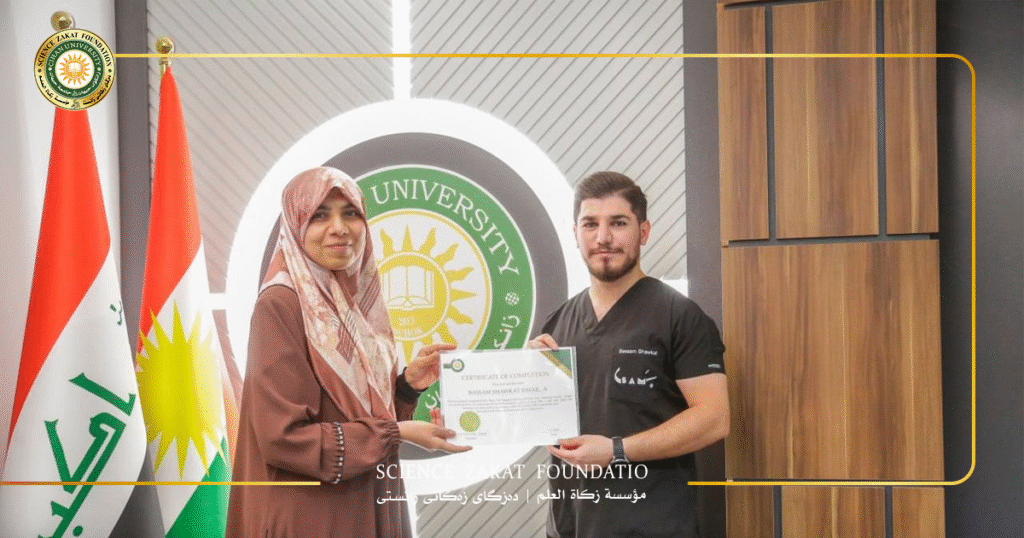
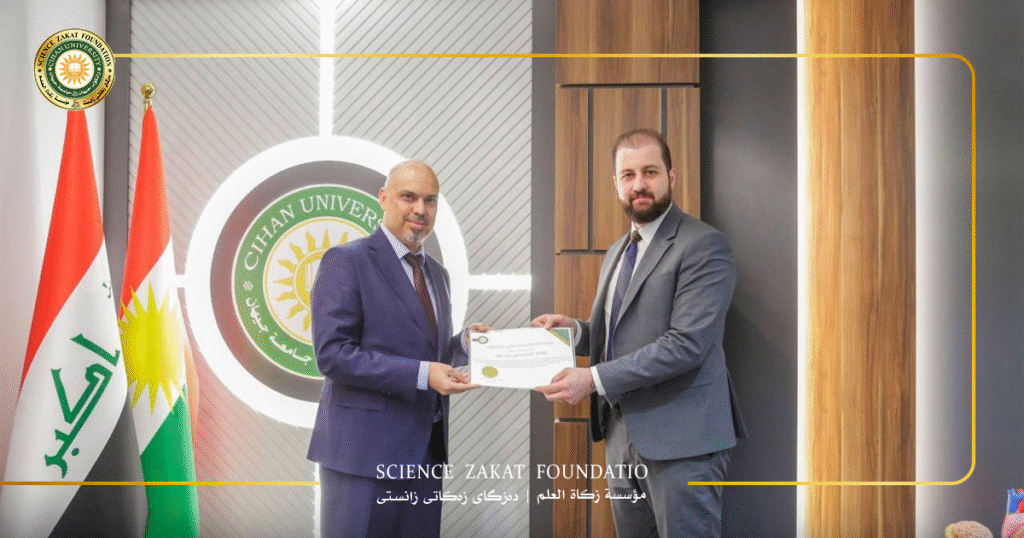
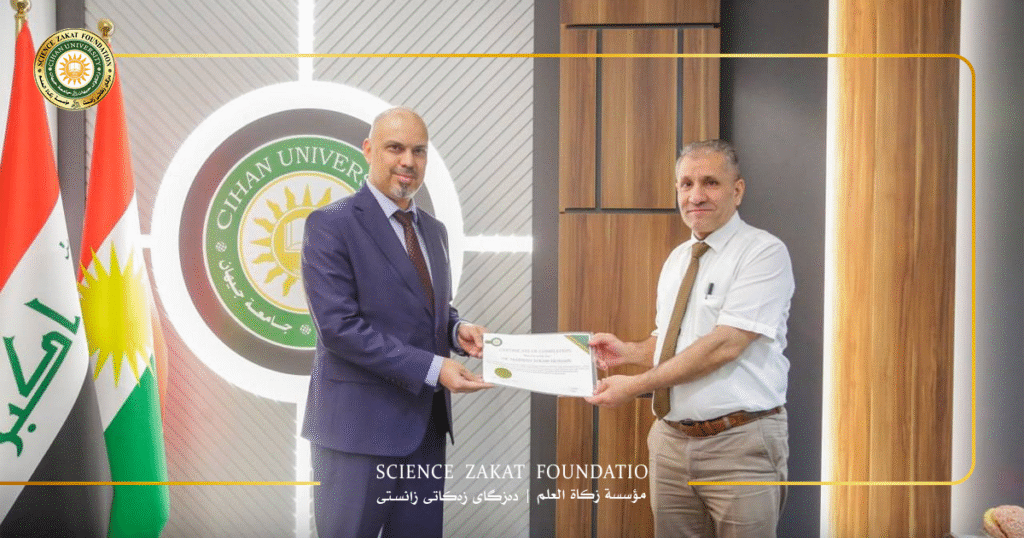
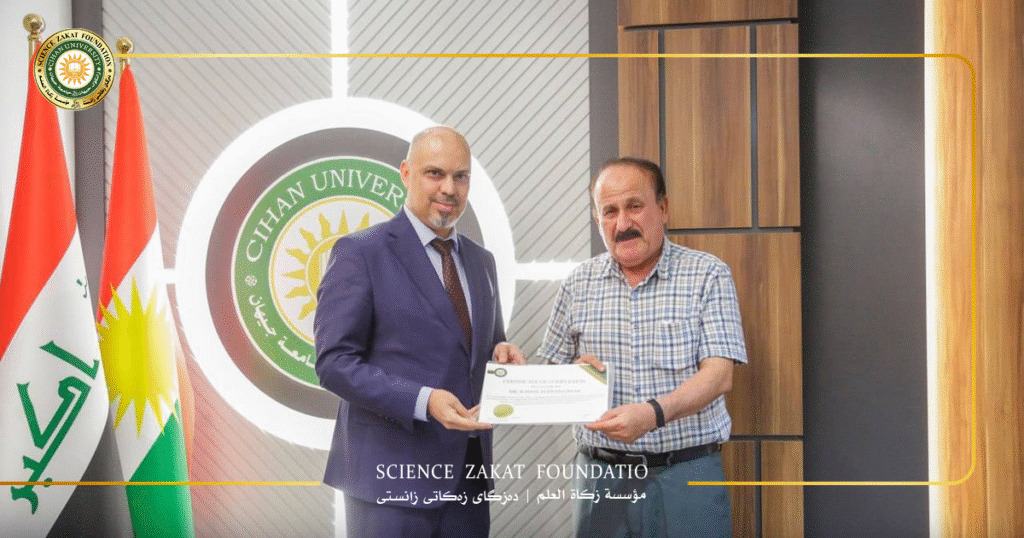
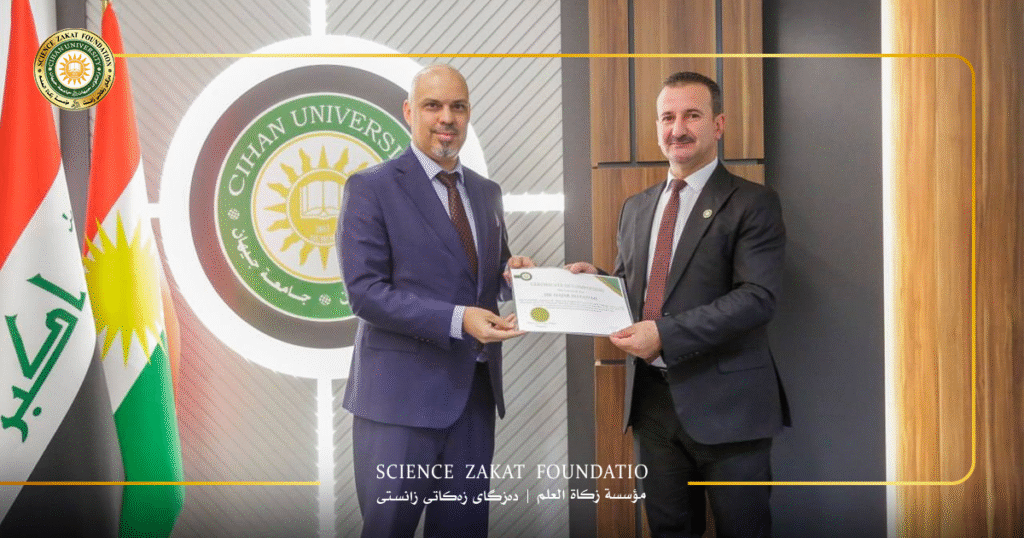
Miss Rezan served as a trainer for the Digital Education Course for teachers from the Ministry of Education. The course was conducted at Erbil International University and lasted for six weeks. During the closing ceremony, I was awarded a certificate by the Minister of Education and the Chairman of the Board of the Institute and University, Dr. Nawzad Bajger.
Participants received an easy-to-follow overview of how machine learning worked from start to finish. They learned how to clean and prepare data, used basic statistics to understand it, explored common algorithms for making predictions, and saw how models actually “decided” on an answer.
By the end, they understood the key steps of a machine learning project well enough to teach them in their own classrooms.
It’s worth mentioning:
With the support of Dr. Nawzad Yahya Bayjar, Chairman of the Board of Trustees of Cihan Universities, Institutes, and Schools, an annual event is held yearly in universities around Cihan (Erbil – Duhok – Sulaymaniyah) where the course lasts for six weeks, with three days a week, and includes final assessments and exams.
It is important to know:
🔹 Today, educational centers are waiting for teachers and educators with high qualifications for the educational process and learning.
🔹 The problems in this process require new ideas for solutions.
🔹 The core values in schools are the student and the teacher, and the interactive cooperation between them. The student is not a tool, but rather the objective of education. Therefore, they cannot adapt to the school; rather, the school should adapt to the.
🔹 Hence, the teacher is the main force in the mind of society, the dynamo of change, the leader of knowledge; 🔹 Pedagogy is the science of education, where humans are born as biological beings, and in order to become human beings, they must be educated, and this is the function of education and pedagogy.
It is worth mentioning that the content of this book includes five models, each of which has its value and importance in its development: the teacher, the educator, the instructor, the trainer, and the student.
✅ In the first model, it discusses the important concepts and methods of modern education.
✅ Pedagogy is the science of education, where humans are born as biological beings, and in order to become human beings, they must be educated, which is the function of education and pedagogy. It is worth mentioning that the content of this book includes five models, each with its own value and importance in its development: the teacher, the educator, the instructor, the trainer, and the student. In the second model, classroom management by the teacher discusses the characteristics of a successful teacher.
✅ In the third model: educational psychology and developmental psychology are discussed along with some examples of leading education systems in developed countries.
✅ In the fourth model, measurement and evaluation are discussed as an important necessity in the field of education.
✅ As for the final model: computers and modern artificial intelligence technology in the field of education are given attention.